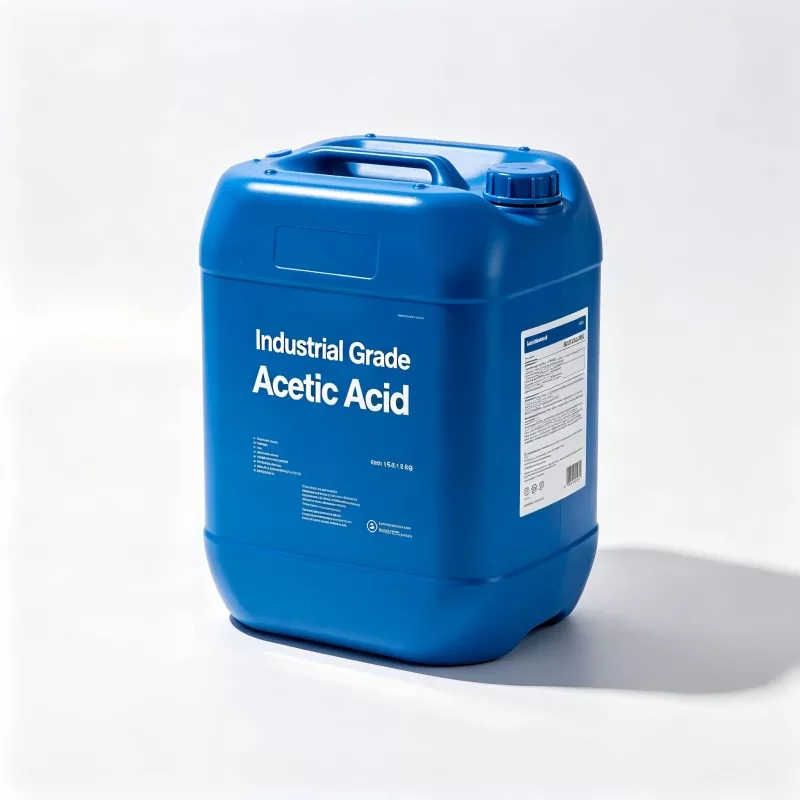
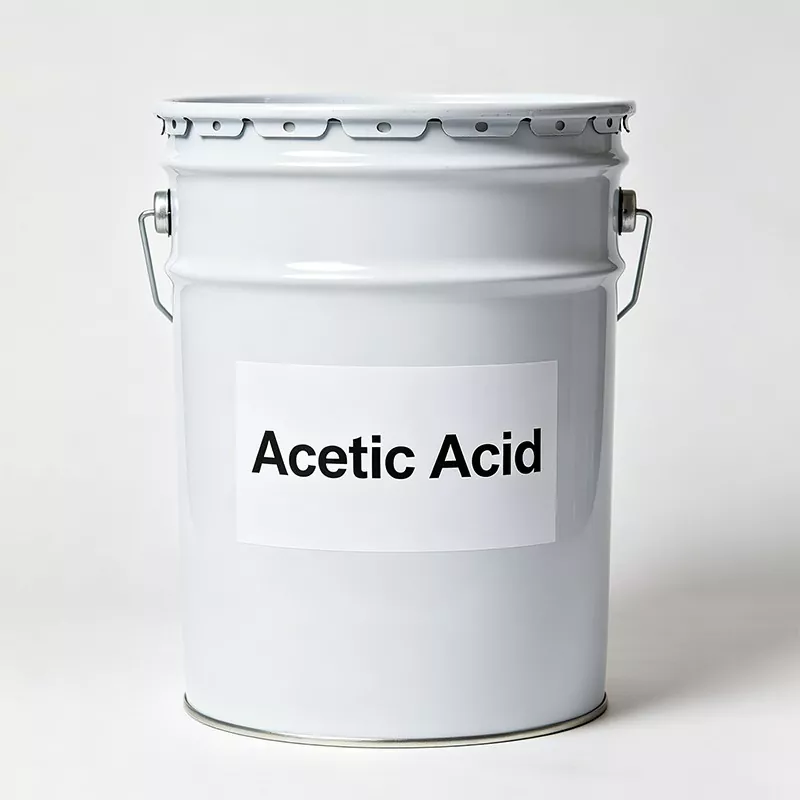
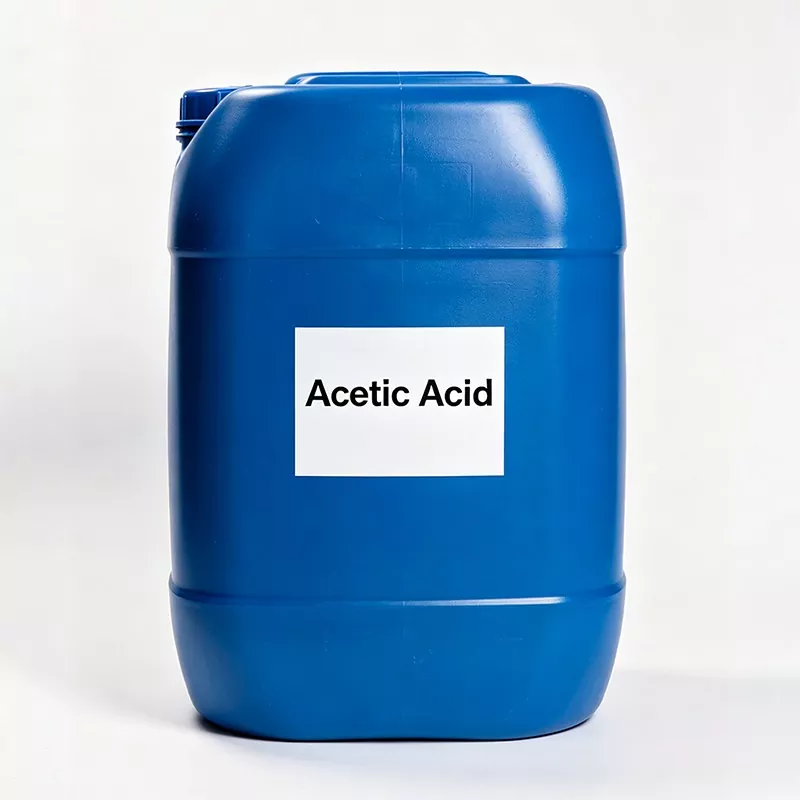
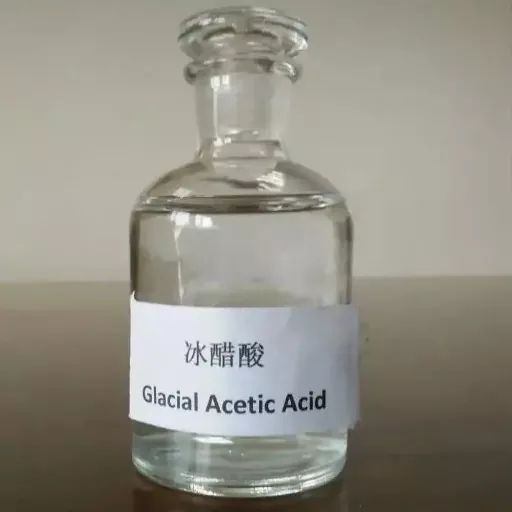
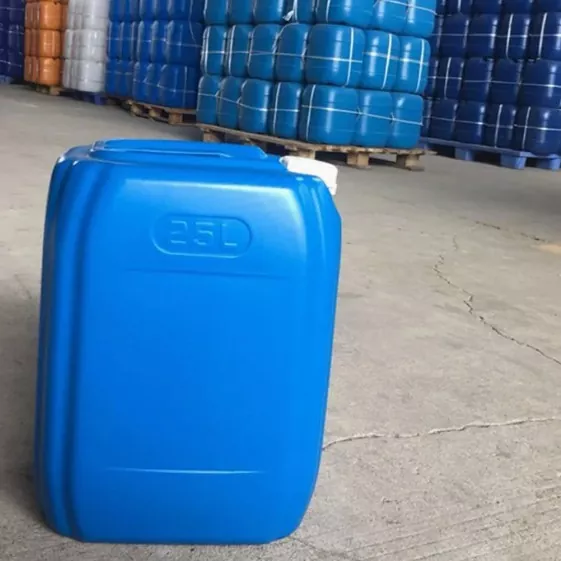
Glacial Acetic Acid, also known as anhydrous acetic acid, is a colorless transparent liquid that forms ice-like crystals at low temperatures, with a strong pungent vinegar odor. As one of the most important organic acids, glacial acetic acid occupies a central position in the modern industrial system and serves as a critical intermediate connecting basic chemicals and fine chemicals produced by leading China manufacturer.
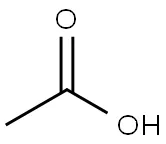
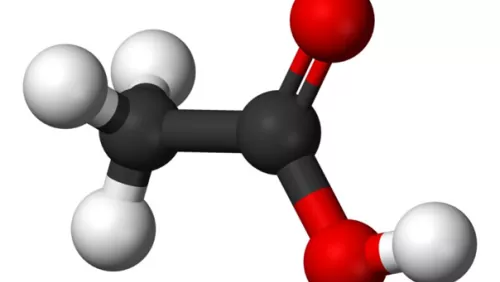
Chemically, glacial acetic acid has the molecular formula CH₃COOH with a molecular weight of 60.05. Its distinctive physical property is that it solidifies into ice-like crystals below 16.6°C, which gives it the name "glacial" acetic acid. The product is miscible with water, ethanol, ether, acetone, and other organic solvents in any proportion, demonstrating excellent solubility characteristics. As a weak acid, glacial acetic acid exhibits typical carboxylic acid chemical properties: it undergoes esterification with alcohols, neutralization with alkalis, and reacts with metal oxides to form acetate salts.
Quality consistency is the primary consideration when sourcing glacial acetic acid from any reliable supplier. Premium industrial grade glacial acetic acid should maintain stable purity between 99.5%-99.8%, with color (Pt-Co) controlled below 10 Hazen, water content below 0.2%, formic acid content below 0.05%, and acetaldehyde content not exceeding 0.05%. These specifications directly impact downstream product quality stability, particularly in continuous production facilities for vinyl acetate and acetate esters where minor fluctuations in raw material specifications can cause significant production parameter adjustments, affecting product yield and plant operational efficiency. Working with an experienced China factory ensures these quality parameters are consistently met.
The primary production technology for glacial acetic acid is methanol carbonylation, which offers high raw material conversion rates, excellent product purity, and minimal environmental impact, having become the dominant global production method. In modern chemical manufacturing, multi-stage distillation purification and rigorous quality control points ensure batch-to-batch specification consistency. Professional quality inspection systems from established manufacturer include gas chromatography purity analysis, potentiometric titration content determination, colorimetric testing, Karl Fischer moisture measurement, and heavy metal limit testing, providing reliable raw material assurance for downstream users.
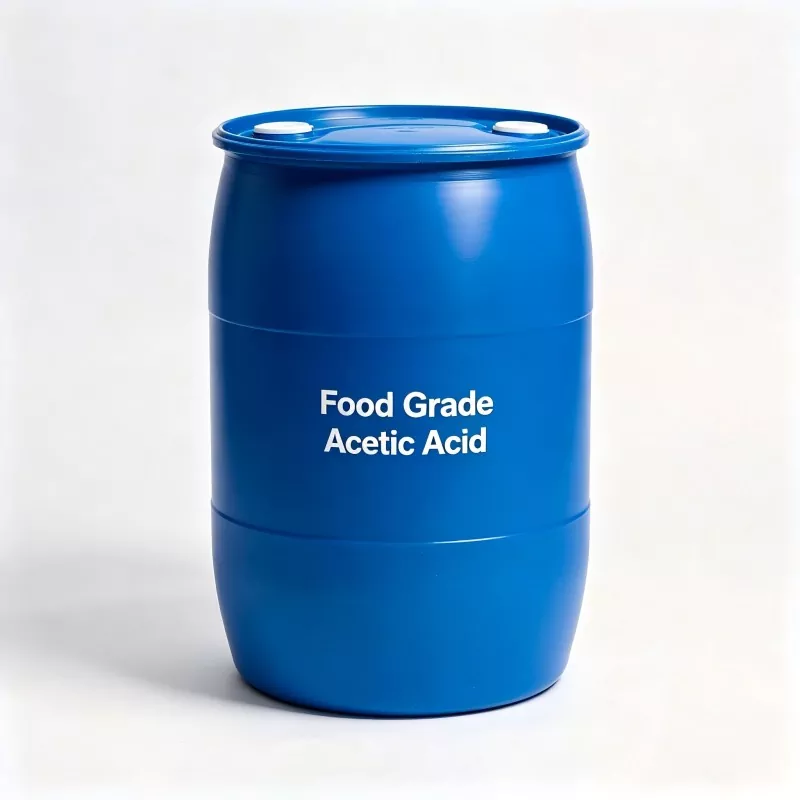
In practical industrial applications, glacial acetic acid purity grades must be matched to specific end uses. The 99.8% high-purity grade is suitable for high-end chemical synthesis such as vinyl acetate and acetic anhydride production; the 99.5% industrial grade is appropriate for general acetate esters, dyeing auxiliaries, and water treatment applications; food grade glacial acetic acid must meet food additive standards for vinegar production, food acidity regulation, and preservative use in food processing. Different grade products have varying purification depths and impurity control standards during production, so specific application scenarios and quality requirements should be clearly defined when purchasing from supplier.
Quality protection during storage and transportation is equally critical. Glacial acetic acid is corrosive, and its vapor can form explosive mixtures with air, with an explosive limit of 4.0%-17.0% by volume. Storage facilities should maintain cool, ventilated conditions away from ignition sources, with warehouse temperatures not exceeding 30°C and relative humidity maintained below 80%. Freeze protection is necessary during winter low-temperature environments to prevent crystal solidification that could cause container rupture. During transportation from China, mixing with oxidizing agents, alkalis, and food chemicals should be avoided to ensure product quality and transportation safety.
1. Chemical Industry Applications
As a versatile chemical intermediate, glacial acetic acid serves as the building block for numerous downstream derivatives that touch nearly every industrial sector. The chemical industry accounts for approximately 60% of total glacial acetic acid consumption, primarily for vinyl acetate monomer (VAM) production, which is the precursor for polyvinyl alcohol (PVA), ethylene-vinyl acetate (EVA) copolymers, and polyvinyl acetate adhesives. These materials find applications in paints, coatings, adhesives, textiles, and construction materials. Additionally, glacial acetic acid is essential for producing various acetate esters—ethyl acetate, butyl acetate, and propyl acetate—widely used as solvents in printing inks, coatings, and adhesive formulations.
2. Textile and Leather Industry Applications
The textile industry represents another major application area, where glacial acetic acid functions as a dyeing auxiliary, pH regulator, and neutralizing agent. In textile dyeing processes, it helps maintain optimal pH levels for dye fixation, ensuring uniform color development and preventing fiber damage. The leather industry utilizes glacial acetic acid for tanning processes, where it aids in fiber separation and collagen stabilization during leather production.
3. Pharmaceutical and Agrochemical Applications
Pharmaceutical and agrochemical manufacturing relies heavily on high-purity glacial acetic acid as a reaction medium and raw material for pharmaceutical intermediates. It serves as an acidulant, solvent, and catalyst in various pharmaceutical synthesis pathways, including the production of antibiotics, vitamins, and analgesic medications. In agrochemical production, glacial acetic acid contributes to herbicide, insecticide, and fungicide formulations.
4. Food Industry Applications
The food industry, while accounting for a smaller volume share, requires the highest purity standards for food-grade glacial acetic acid. As a generally recognized as safe (GRAS) food additive, it functions as an acidity regulator, preservative, and flavoring agent. It is the primary component in vinegar production and is used in pickling processes, cheese manufacturing, and various condiment preparations. Strict quality control measures from certified factory ensure food-grade products meet all regulatory requirements for heavy metal content and impurity limits.
5. Water Treatment and Industrial Cleaning Applications
Water treatment applications utilize glacial acetic acid for pH adjustment and neutralization of alkaline wastewater streams. Its buffering capacity makes it effective for maintaining optimal pH ranges in municipal and industrial water treatment systems. Additionally, it serves as a component in descaling formulations and cleaning agents for industrial equipment and pipelines.
When evaluating glacial acetic acid sourcing options, buyers should consider not only price but also consistent quality, reliable supply capacity, and technical support. Production capacity stability, logistics infrastructure, and quality management systems are critical factors that differentiate suppliers. Long-term partnership with a reputable China manufacturer ensures uninterrupted supply and consistent product quality, which are essential for maintaining continuous production operations and final product quality standards.
Proper handling procedures and safety protocols are essential when working with glacial acetic acid. Personal protective equipment including chemical-resistant goggles, face shields, rubber gloves, and protective clothing should be worn at all times. Adequate ventilation is necessary to prevent vapor accumulation, and emergency eyewash stations and safety showers should be readily accessible in work areas. Spill response procedures should be established, with neutralizing agents such as sodium bicarbonate available for spill cleanup.
Environmental considerations include proper waste disposal practices and emissions control. Spent glacial acetic acid solutions should be neutralized before discharge, and all waste handling should comply with local environmental regulations. Vapor recovery systems in storage and transfer operations minimize atmospheric emissions and material losses, contributing to both environmental protection and economic efficiency.
|
Test Item |
Specification |
Test Method |
|
Appearance |
Colorless transparent liquid |
Visual |
|
Assay (%) |
≥ 99.8 |
GB/T 1628.3 |
|
Color (Pt-Co, Hazen) |
≤ 10 |
GB/T 3143 |
|
Freezing Point (℃) |
≥ 16.2 |
GB/T 1628.4 |
|
Water Content (%) |
≤ 0.15 |
GB/T 6283 |
|
Formic Acid (%) |
≤ 0.05 |
GB/T 1628.5 |
|
Acetaldehyde (%) |
≤ 0.05 |
GB/T 1628.6 |
|
Evaporation Residue (%) |
≤ 0.01 |
GB/T 5009.4 |
|
Iron (ppm) |
≤ 0.5 |
AAS |
|
Heavy Metals (as Pb, ppm) |
≤ 1.0 |
GB/T 7532 |
1. Chemical Synthesis (~60% share): Production of vinyl acetate monomer (VAM), acetate esters (ethyl, butyl, propyl), acetic anhydride, chloroacetic acid, cellulose acetate - core raw materials for PVA, EVA resins, adhesives, and coatings from professional China supplier.
2. Textile & Dyeing: Dye fixing agent, pH regulator, dyeing auxiliary, neutralizing agent - maintaining optimal dye bath acidity for uniform coloring and fiber protection.
3. Pharmaceutical & Agrochemical: Pharmaceutical intermediate, acid catalyst and solvent for drug synthesis (antibiotics, vitamins); active ingredient production for pesticides and herbicides manufactured by certified factory.
4. Food Industry (Food Grade): Acidity regulator, acidulant, pickling agent, preservative for vinegar production, condiment manufacturing, and food preservation.
5. Water Treatment & Others: Water pH adjustment, alkaline wastewater neutralization, sewage treatment; leather tanning, rubber additives, electroplating polishing, household cleaning products.
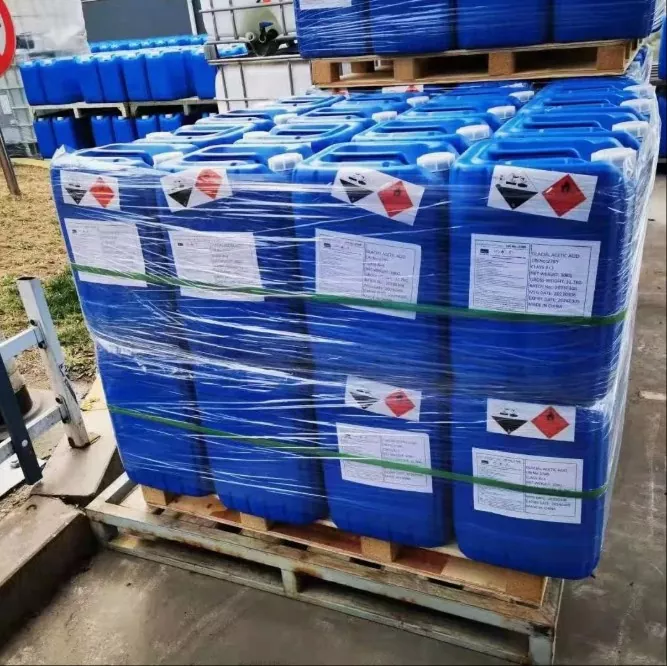
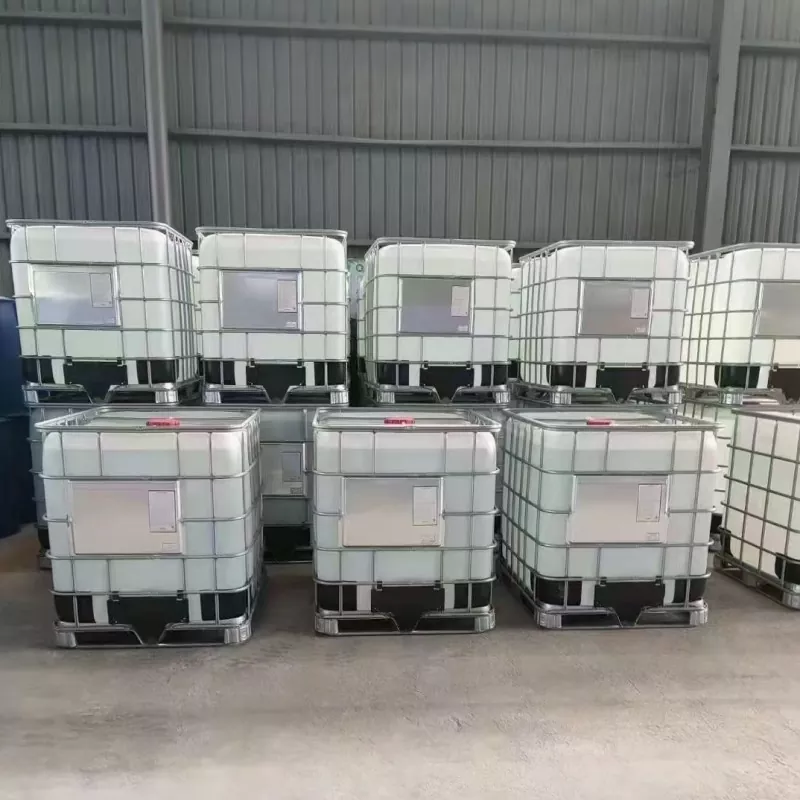
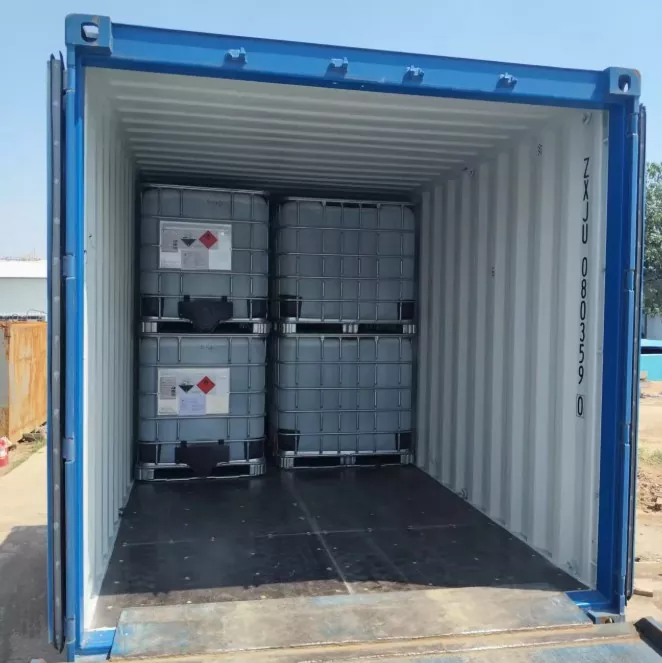
• Packaging: 25kg/30kg plastic drums, 200kg galvanized steel/plastic drums, 1000kg IBC totes, ISO tank containers, flexitank bulk from reliable China supplier
• Storage: Store in cool, ventilated, dedicated chemical warehouse with temperature ≤30°C, humidity ≤80%; keep away from ignition sources, store separately from oxidizers and alkalis; freeze protection required in winter
• Transportation: UN 2789, Class 8 corrosive hazardous material; ensure containers are properly sealed to prevent leakage; strictly prohibit mixed shipping with oxidizers, alkalis, food chemicals; follow designated routes for road transport
• Shelf Life: 12 months in original sealed packaging from manufacturer
Q1:What are the main differences between industrial grade and food grade glacial acetic acid?
The main differences lie in purity standards and impurity control requirements. Food grade glacial acetic acid requires minimum 99.8% purity with stricter limits on heavy metals (Pb, As) and methanol, meeting national food additive standards. Industrial grade focuses on main content and general impurity control sufficient for chemical manufacturing. Industrial grade cannot substitute food grade products from qualified China supplier.
Q2:Does crystallization and solidification of glacial acetic acid affect product quality?
Crystallization is a normal physical property of glacial acetic acid and does not affect chemical quality. After solidification, simply warm slowly at 18-25°C until completely melted for normal use from factory. Avoid localized overheating during melting to prevent container expansion and seal damage.
Q3:What are the key safety considerations for glacial acetic acid transportation and storage?
Three key points: 1) Corrosion protection - avoid direct skin contact, provide emergency washing facilities; 2) Explosion and fire prevention - vapor forms explosive mixtures with air, keep away from ignition sources, maintain ventilation; 3) Segregated storage - strictly prohibit mixed storage/transport with oxidizers, strong alkalis, and food chemicals from any supplier.
Address
(North of Dongwei Group, West) Houwei Village, Changshan Town, Zouping City, Binzhou, Shandong Province, China
Tel