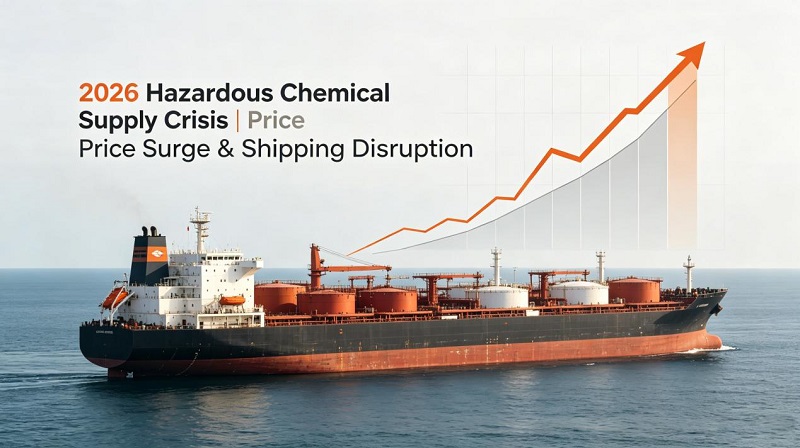
The global market for hazardous chemicals faces tight supply, with prices poised to keep climbing through June and July amid multiple supply-side disruptions.
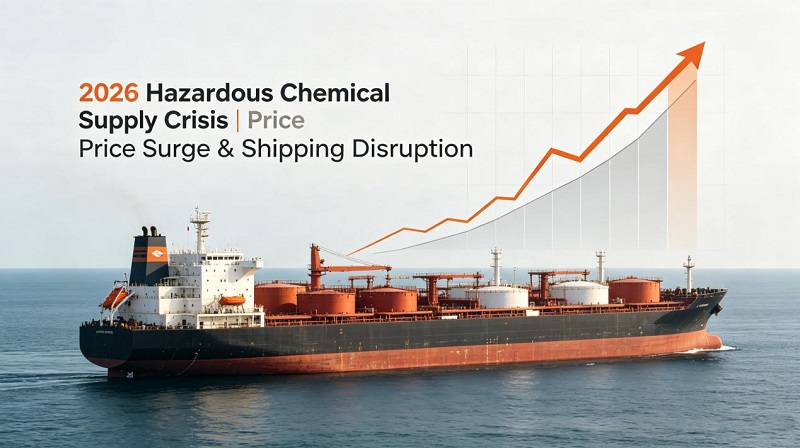
First, tightened transit rules at the Strait of Hormuz severely disrupt shipments. Iran has mandated exclusive approval for all vessels carrying sulphur, liquid ammonia, urea and methanol, leaving dozens of chemical bulk carriers anchored and delayed. Nearly half of seaborne sulphur, 30% of liquid ammonia and most Middle Eastern methanol pass through this strait. Combined with Russia’s sulphur production cuts and South Korea’s naphtha export limits, the global sulphur supply gap hits 5.5–6 million tonnes. Sulphur spot prices have rocketed over 210% within half a year to record highs.
Second, overseas chemical plants slash output while major chemical firms roll out hefty price hikes. Large ammonia and petrochemical facilities in Saudi Arabia and Qatar run at reduced load due to interrupted feedstock delivery, and operating rates of Japanese and South Korean chemical plants hit a 30-year low. BASF, Huntsman and Covestro raised MDI prices by 3,300–5,260 RMB per tonne; Kansai Paint lifted solvent coating prices by 20%–35%. Other products including benzene, TDI, ethylene glycol, LNG, high-purity helium and electronic specialty gases all see sharp gains, with benzene up 47.1% year-to-date. BASF warned that shortages of electronic gases may trigger production cuts across automotive, semiconductor and new energy sectors.
Third, shipping costs surge sharply. War risk premiums for Persian Gulf routes have jumped tenfold, alongside soaring detention fees, security surcharges and marine insurance premiums. Re-routed voyages take extra weeks, pushing overall logistics costs up more than 40%. Over 220 domestic traders suspended public quotation and only negotiate prices for firm orders to avoid locking in long-term rates.
Fourth, domestic maintenance cycles coincide with peak downstream demand. Many ammonia and phosphorus chemical units in China undergo scheduled maintenance. Small fertilizer and coating factories curtail output amid severe cost inversion. June and July mark seasonal demand peaks: monsoon farming in India and Southeast Asia fuels robust demand for urea and DAP, while summer construction, home appliance and lithium battery manufacturing boosts purchases of MDI, solvents and electrolyte raw materials. Companies worldwide are building safety stockpiles, further tightening spot supply.
Market outlook: Iran’s 60-day strait transit policy will remain in place in the short term, and there is no clear timeline for Middle Eastern plant restarts. Sufficient import volumes will not resume until August. Analysts expect tight supply and elevated prices of sulphur, liquid ammonia, urea and polyurethane feedstocks to last well into Q3, forcing downstream manufacturers to bear persistently high raw material costs.