India is now prioritizing the evacuation of fertilizer-laden bulk carriers stranded in the Persian Gulf. Following a sudden shift in Lebanon’s security situation, Iran announced strait access restrictions. Coupled with the conclusion of a peace accord, these developments bring a mixed bag of advantages and challenges for India.
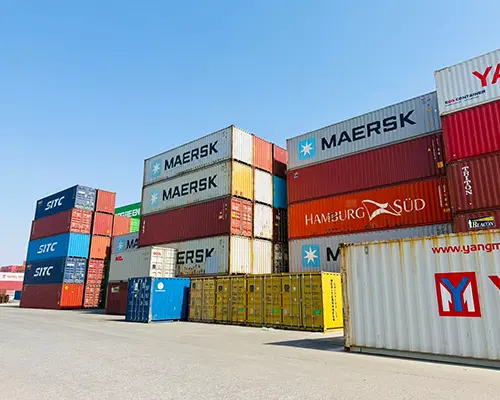
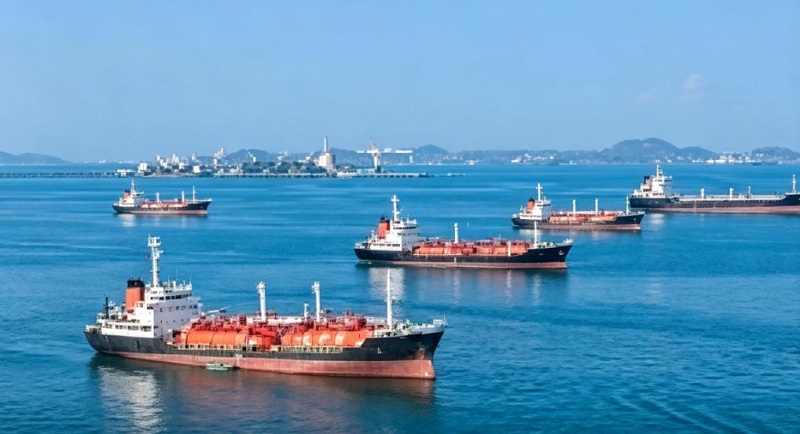
Previously, India partnered with Iran to establish a dedicated evacuation corridor for vessels, successfully repatriating more than ten cargo ships tasked with supplying domestic commodities, primarily energy feedstocks. The Indian government has now designated 34 vessels for evacuation, including 15 fertilizer bulk carriers and one liquid ammonia tanker critical to domestic fertilizer manufacturing. The navy is expected to provide escort support, mirroring the existing evacuation framework.
Data from maritime tracking platform MarineTraffic shows the Hong Kong-flagged MV Josco Shunzhou, carrying 50,000 tonnes of urea, transited the Strait of Hormuz two days ago and is projected to berth at Krishnapatnam Port in Andhra Pradesh on June 27. Several vessels on the government’s evacuation list have no active positioning signals on ship tracking platforms, while most remaining vessels are at anchor west of the Strait of Hormuz.
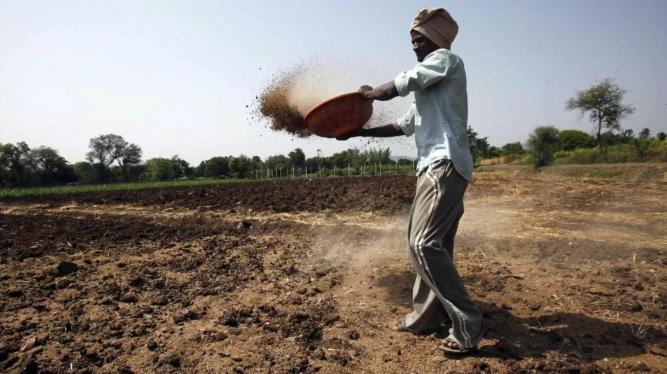
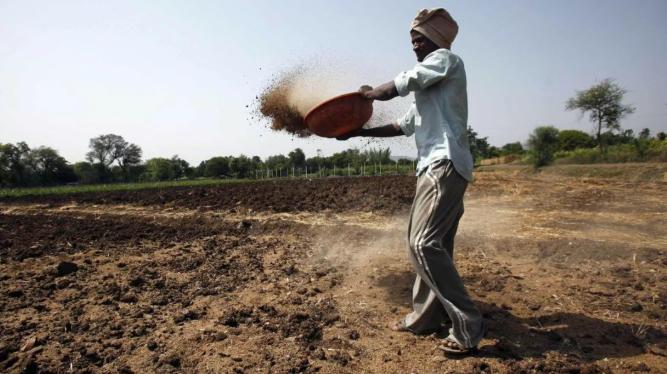
The Ministry of Agriculture and Farmers Welfare of India estimates total fertilizer demand for the upcoming kharif monsoon crop season at approximately 38.4 million tonnes. Current domestic fertilizer inventories stand at 19.6 million tonnes, with opening season stockpiles exceeding 20 million tonnes. The government’s standard mandatory safety buffer stock equals 33% of total seasonal demand, while pre-monsoon fertilizer stockpiling this year has surpassed half of the full-year consumption volume.
Since the onset of the strait logistics crisis, India’s domestic fertilizer output has risen by over 11.8 million tonnes, shoring up domestic supply stability. Authorities state that nearly 4 million tonnes of fertilizer have arrived in India amid tightened strait controls, the vast majority shipped via routes bypassing the Strait of Hormuz.
Official trade figures forecast an additional 2.5 million tonnes of fertilizer shipments to reach Indian ports in June.
Iran issued a formal announcement on Friday designating the Persian Gulf Strait Authority (PGSA) as the sole official body authorized to process all vessel transit applications. Shipping companies must submit all declaration documentation exclusively through the PGSA’s official website.
A small number of vessels completed strait crossings during the first two days after the peace agreement took effect. However, intelligence from the Joint Maritime Information Centre confirmed multiple ships attempting to traverse the waterway were intercepted and ordered to reverse course. Crews of intercepted vessels relayed a key notice to passing traffic: only the PGSA holds legal authority to review applications and issue transit clearances.
The PGSA confirmed a 60-day fee waiver covering security charges, navigation safety levies, environmental support surcharges and mandatory local Iranian marine insurance premiums. Even so, Lloyd’s List maritime intelligence warned, “The PGSA reserves the right to introduce additional insurance premiums at a later date… shipowners will be required to purchase and renew relevant coverage should this provision take effect.”
The full text of the new regulatory framework has been circulated across the global shipping industry and filed with the International Maritime Organization (IMO). Iran has stipulated that all transiting vessels must sail within the Iranian coastal shipping lane for the time being, a route consistently used by Indian merchant ships.
Separately, MV Disha, an LNG tanker operated by India’s Petronet LNG Limited, has docked at Dahej Terminal. The vessel ranks among the first liquefied natural gas carriers to exit the Strait of Hormuz following the peace accord’s announcement.