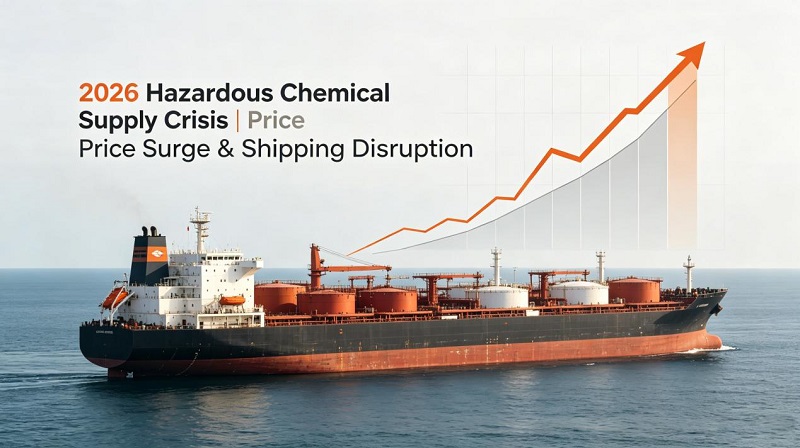
The global hazardous chemical market remained under significant supply pressure in late June 2026, with prices expected to continue rising throughout June and July. Strait transit restrictions, widespread plant maintenance, soaring freight costs, and strong seasonal demand have combined to tighten supply across key products, including fertilizer raw materials, polyurethane feedstocks, and electronic specialty gases.
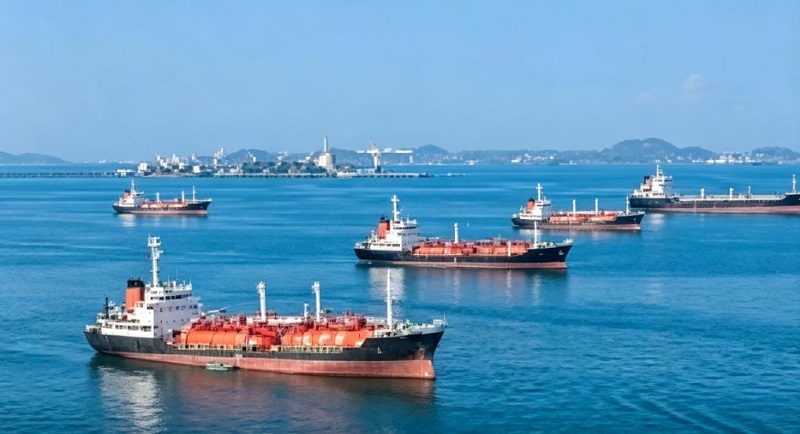
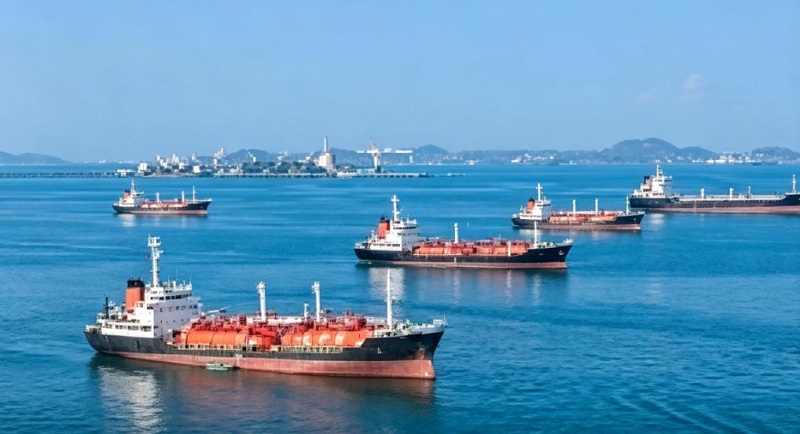
The Strait of Hormuz has become a major bottleneck for global chemical shipments after Iran's PGSA was designated as the sole authority responsible for transit approvals. More than 500 vessels are currently stranded in the Persian Gulf, while daily shipping throughput has fallen to less than half of pre-conflict levels. As LNG carriers receive priority passage, vessels transporting urea, sulphur, and liquid ammonia are experiencing waiting times more than twice as long as normal.
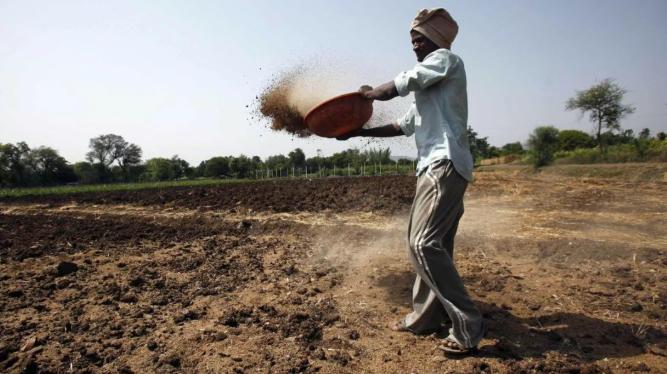
Approximately 600,000 tons of urea and 300,000–400,000 tons of sulphur remain anchored offshore awaiting clearance. Meanwhile, several local fertilizer plants damaged during regional disruptions require extended repairs, with normal export operations unlikely to resume before August. As supply tightens, sulphur prices have surged by more than 210% over the past six months, reaching approximately US$805 per ton FOB Middle East. Although India has arranged naval escorts for 34 fertilizer vessels to secure monsoon agricultural supplies, the global fertilizer supply shortage remains unresolved.
The polyurethane industry is facing mounting pressure as global MDI supply continues to contract due to scheduled maintenance and production shutdowns. Wanhua Chemical has suspended operation of one of its major MDI production units for a 20-day maintenance period, while Saudi Arabia's Sadara MDI facility remains offline. BASF and Covestro are also conducting maintenance on key production equipment.
As a result, BASF, Huntsman, and Covestro have implemented two consecutive rounds of MDI price increases totaling RMB 3,300–5,260 per metric ton. More than 220 chemical distributors have suspended public quotations and are accepting only negotiated firm orders. Rising raw material costs are placing significant financial pressure on downstream industries including coatings, furniture manufacturing, and automotive production.
The semiconductor industry is also experiencing severe shortages of critical electronic specialty gases. Two Japanese manufacturers have announced the permanent shutdown of tungsten hexafluoride (WF6) production beginning in July, causing prices to surge by 232.7% year over year. The shortage directly threatens advanced 3nm to 7nm semiconductor manufacturing capacity.
At the same time, high-purity liquid carbon dioxide used in wafer cleaning has increased by more than 10% month over month. BASF has warned that constrained electronic gas supplies may reduce automotive and new energy vehicle production during the second half of 2026.
Market analysts expect hazardous chemical prices to remain elevated throughout the third quarter. The 60-day Strait of Hormuz transit restrictions remain in effect, while petrochemical plants across Asia continue scheduled maintenance. Seasonal demand from agriculture, construction, coatings, and lithium battery manufacturing is strengthening, and many companies are actively increasing inventory levels to hedge against ongoing geopolitical uncertainty.
As a result, key products including sulphur, liquid ammonia, urea, MDI, and electronic specialty gases are expected to remain in short supply with elevated prices for the coming months. Downstream manufacturers will likely continue facing sustained raw material cost pressure until global supply chains gradually recover.