Isopropyl Alcohol (IPA) is one of the most widely used chemical solvents and disinfectants in the world. From electronics manufacturing and medical sanitation to industrial cleaning and household applications, this versatile substance plays a critical role in maintaining cleanliness, improving operational efficiency, and supporting product quality.
This comprehensive guide explores everything buyers, manufacturers, distributors, and industrial users need to know about Isopropyl Alcohol, including its chemical properties, common applications, concentration levels, safety guidelines, purchasing considerations, environmental impacts, and future industry trends.
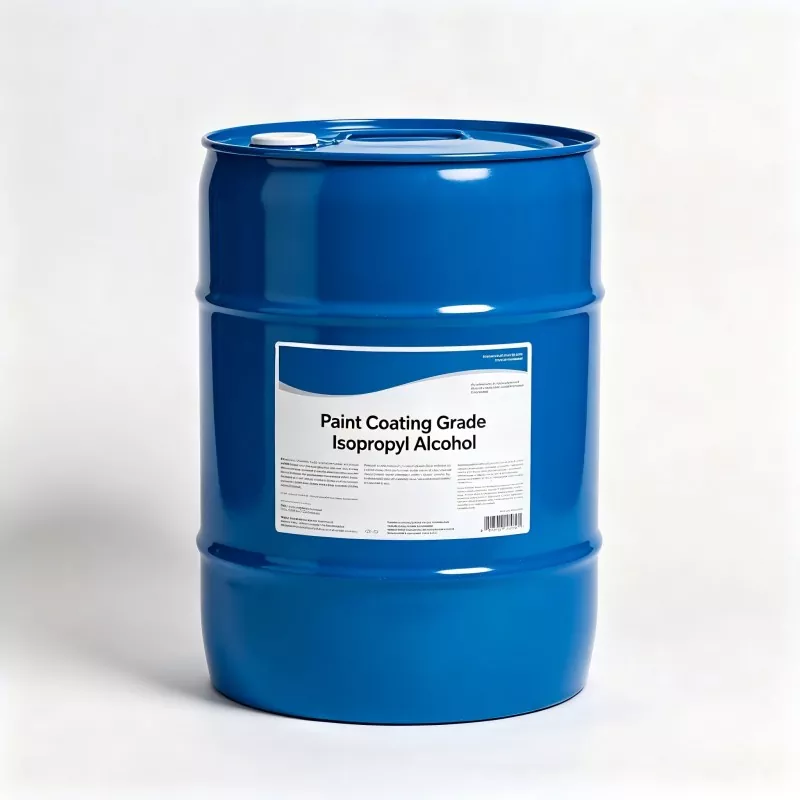
Isopropyl Alcohol, commonly abbreviated as IPA, is a colorless, flammable chemical compound with a strong odor. Chemically known as isopropanol or 2-propanol, it belongs to the alcohol family and serves as one of the most effective solvents available for industrial and commercial use.
Its molecular formula is C₃H₈O, and it is produced primarily through the hydration of propylene. Due to its excellent evaporation characteristics and strong cleaning performance, Isopropyl Alcohol has become an indispensable material in countless industries.
Unlike many aggressive solvents, IPA leaves minimal residue after evaporation, making it particularly valuable in precision cleaning applications.
The widespread adoption of Isopropyl Alcohol can be attributed to several advantages:
Organizations value IPA because it helps maintain cleanliness while reducing downtime associated with equipment contamination and maintenance.
| Property | Description |
|---|---|
| Appearance | Clear, colorless liquid |
| Odor | Strong alcohol-like smell |
| Boiling Point | Approximately 82.6°C |
| Solubility | Completely miscible with water |
| Evaporation | Rapid |
| Flammability | Highly flammable |
These characteristics make IPA suitable for sensitive manufacturing environments where cleanliness and efficiency are critical.
Few chemicals possess the versatility of Isopropyl Alcohol. Its applications span multiple industries.
Electronic components require contaminant-free surfaces. IPA removes:
One common challenge buyers face is selecting the right concentration.
| Concentration | Typical Use | Advantages |
|---|---|---|
| 70% | Disinfection | Excellent microbial control |
| 91% | General cleaning | Faster evaporation |
| 99% | Industrial and electronics use | Minimal water residue |
The ideal concentration depends on application requirements, contamination levels, drying time expectations, and industry regulations.
| Factor | Isopropyl Alcohol | Acetone | Ethanol |
|---|---|---|---|
| Evaporation | Fast | Very Fast | Moderate |
| Residue | Very Low | Low | Low |
| Cleaning Power | Excellent | Strong | Good |
| Electronics Compatibility | Excellent | Moderate | Good |
For precision cleaning and electronic manufacturing, Isopropyl Alcohol often offers the best balance between performance and safety.
Businesses frequently encounter challenges such as contamination, maintenance costs, equipment downtime, and quality control issues. Isopropyl Alcohol helps address these concerns by:
These benefits make IPA an essential operational resource rather than simply a cleaning product.
Although Isopropyl Alcohol is highly useful, proper handling remains essential.
Choosing the right supplier directly impacts product quality, consistency, and long-term business success.
When evaluating suppliers, consider:
A reliable partner should provide transparent documentation, consistent quality standards, and dependable delivery performance.
The global demand for Isopropyl Alcohol continues to expand due to growth in healthcare, electronics, pharmaceutical manufacturing, and advanced industrial production.
Key trends include:
As technology advances, the need for highly effective cleaning and disinfection solutions is expected to further strengthen the market position of Isopropyl Alcohol.
Q1: What is Isopropyl Alcohol mainly used for?
A: It is commonly used for cleaning, disinfecting, degreasing, electronics maintenance, and industrial processing.
Q2: Is 70% or 99% Isopropyl Alcohol better?
A: 70% is often preferred for disinfection, while 99% is typically chosen for electronics and industrial cleaning applications.
Q3: Does Isopropyl Alcohol leave residue?
A: High-purity IPA evaporates quickly and leaves very little residue.
Q4: Is Isopropyl Alcohol safe for electronics?
A: Yes, high-purity grades are widely used in electronics manufacturing and maintenance.
Q5: Can Isopropyl Alcohol remove grease?
A: Yes. It is highly effective at dissolving oils, grease, and many contaminants.
Q6: How should Isopropyl Alcohol be stored?
A: Store it in tightly sealed containers away from heat, sparks, and direct sunlight.
Q7: What industries use Isopropyl Alcohol the most?
A: Healthcare, electronics, automotive, pharmaceutical, manufacturing, printing, and chemical industries are among the largest users.
Isopropyl Alcohol remains one of the most versatile and valuable chemical products available today. Its combination of cleaning effectiveness, rapid evaporation, broad compatibility, and cost efficiency makes it indispensable across countless industries.
Whether used in healthcare facilities, electronics manufacturing plants, industrial production lines, laboratories, or commercial environments, IPA continues to support higher cleanliness standards, improved operational efficiency, and better product quality.
Looking for a dependable supplier of high-quality Isopropyl Alcohol solutions? Shandong Aolansu Environmental Protection Technology Co., Ltd. is committed to delivering reliable products, professional technical support, and customized solutions for global customers.
Whether you require industrial-grade IPA, high-purity formulations, or bulk procurement support, our experienced team is ready to help you find the right solution for your business needs.
Contact us today to discuss your project requirements and discover how our products can support your operational success.
-