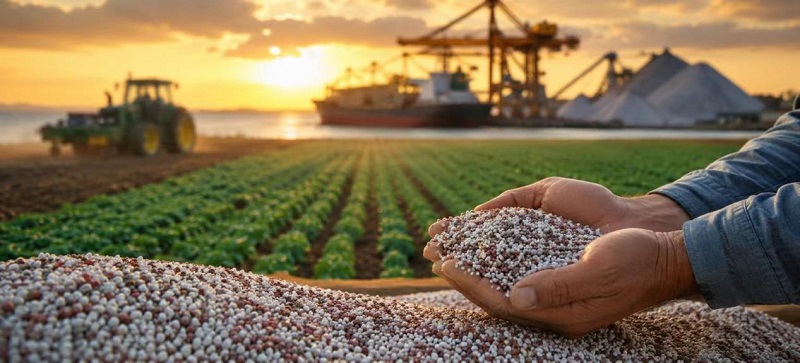
The global potash market is expected to maintain steady growth in the second half of 2026, driven by seasonal agricultural demand, expanding crop cultivation, and supportive farming policies in major agricultural regions. Industry forecasts indicate that global potash consumption will remain strong, with increasing demand from Asia, the Americas, and emerging agricultural markets.
Global Potash Demand Gains Momentum from Agricultural Expansion
In the first half of 2026, the global potash market showed stable demand conditions. As major farming regions enter peak fertilization periods in the second half of the year, demand for potassium-based fertilizers is expected to increase further.
Several factors are supporting market growth, including optimized crop planting structures, stable agricultural production plans, and continued investment in food security. Potash plays an essential role in improving crop quality, enhancing plant resistance, and increasing agricultural productivity, making it a critical fertilizer component worldwide.
Southeast Asia Becomes a Key Growth Engine for Potash Consumption
Southeast Asia is emerging as one of the fastest-growing regions for potash demand in 2026. Increasing oil palm cultivation, expanding agricultural activities, and government-supported biofuel policies are expected to create additional fertilizer requirements.
Countries such as Indonesia and Malaysia are strengthening biodiesel development programs, which may encourage further expansion of oil palm plantations. Since oil palm requires significant potassium nutrients during growth cycles, increased cultivation is expected to provide long-term support for regional potash consumption.
Seasonal Farming Activities Support Regional Fertilizer Demand
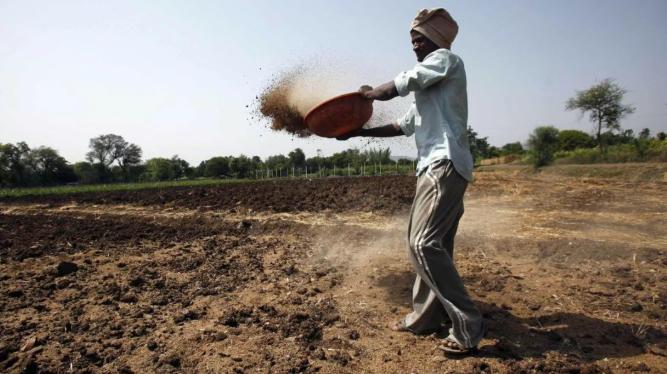
Besides plantation agriculture, seasonal fertilizer application before and during rainy periods is also contributing to higher potash purchasing activity. Farmers are increasingly focusing on improving crop resilience against changing climate conditions, creating additional demand for potassium fertilizer products.
Americas Maintain Stable Potash Demand Through Multiple Crop Seasons
The Americas continue to represent one of the largest potash consumption regions globally. Different agricultural cycles between North and South America help maintain continuous fertilizer demand throughout the year.
Seasonal crop fertilization and inventory replenishment
Brazil
Approximately 14.3 million tons
Soybean planting expansion and agricultural production growth
Brazil remains one of the world's largest potash consumers. The expected expansion of soybean planting areas in the 2026/27 season is likely to further increase fertilizer requirements. Meanwhile, fertilizer application cycles for autumn crops in the United States will continue providing stable market support.
China and India Continue Supporting Global Potash Market Stability
Major agricultural markets including China and India remain important contributors to global potash demand. Continuous agricultural production, food security strategies, and large-scale crop cultivation will continue supporting long-term fertilizer consumption.
As global agriculture faces challenges such as population growth, climate variability, and increasing food demand, efficient nutrient management will become increasingly important. Potash, as a key source of potassium nutrition, is expected to maintain its strategic importance in modern farming systems.
Global Potash Market Outlook for H2 2026
Overall, the second half of 2026 is expected to bring positive momentum to the global potash industry. Rising agricultural activity in Southeast Asia, stable consumption in China and India, and fertilizer restocking in the Americas are creating overlapping demand drivers.
While market conditions may continue to be influenced by supply availability, logistics costs, and international trade policies, the fundamental demand outlook for potash remains positive. Industry participants will continue monitoring agricultural trends and regional purchasing activities to evaluate future market opportunities.
Market information in this article is collected and summarized from publicly available industry resources. If there are any copyright concerns, please contact us for timely review and removal.
We use cookies to offer you a better browsing experience, analyze site traffic and personalize content. By using this site, you agree to our use of cookies.Privacy Policy