Acetic acid is one of the most important organic acids in modern industry and everyday life. From food preservation and cleaning products to large-scale chemical manufacturing, this simple molecule plays a surprisingly complex role. This article provides a comprehensive exploration of acetic acid, including its properties, production methods, safety considerations, and wide-ranging applications. It is designed to help readers understand not only what acetic acid is, but also why it is essential across multiple industries and how it is safely used in real-world scenarios.
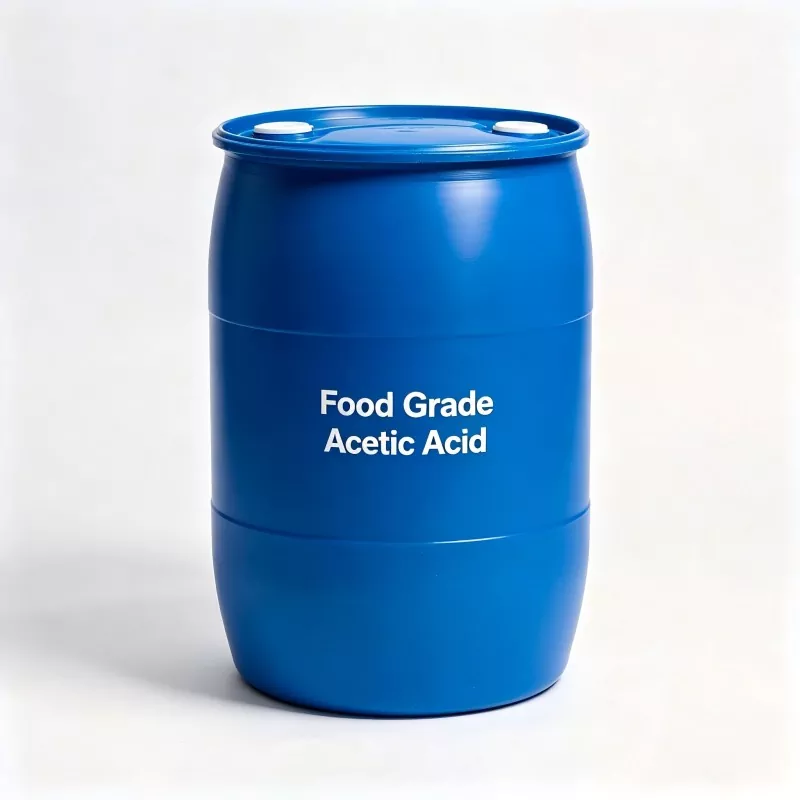
Acetic acid, chemically represented as CH₃COOH, is a weak organic acid widely recognized as the main component of vinegar. Despite its simple structure, it plays a crucial role in multiple industries including textiles, plastics, food processing, pharmaceuticals, and chemical synthesis.
In its pure form, acetic acid is a colorless liquid with a pungent smell. When diluted, it becomes vinegar, which is commonly used in kitchens around the world. However, industrial-grade acetic acid is far more concentrated and is essential in producing materials such as synthetic fibers, adhesives, and coatings.
The importance of acetic acid lies in its versatility. It serves both as a raw material and as a processing agent in countless chemical reactions, making it one of the foundational chemicals in modern manufacturing systems.
Understanding the properties of acetic acid is essential for its safe and effective use. Below are its key characteristics:
| Property | Description |
|---|---|
| Chemical Formula | CH₃COOH |
| Molecular Weight | 60.05 g/mol |
| Appearance | Colorless liquid |
| Odor | Pungent, vinegar-like smell |
| Boiling Point | 118°C |
| Freezing Point | 16.6°C (forms glacial acetic acid) |
| Solubility | Fully miscible with water |
One of the most notable properties is its ability to form hydrogen bonds, which makes it highly soluble in water and many organic solvents. This property enhances its usability in chemical reactions and industrial formulations.
Acetic acid is produced through both natural and synthetic methods. Industrial production is dominated by chemical synthesis due to its efficiency and scalability.
Main production methods include:
The methanol carbonylation process dominates global production due to its high yield, cost efficiency, and ability to produce high-purity acetic acid.
Acetic acid is available in several grades depending on its intended use:
| Grade | Purity | Applications |
|---|---|---|
| Glacial Acetic Acid | ≥99% | Industrial chemical synthesis |
| Food Grade | ~4–8% | Food preservation, vinegar |
| Technical Grade | 90–99% | Manufacturing processes |
| Reagent Grade | High purity | Laboratory research |
Each grade is carefully formulated to meet safety and performance requirements in its respective application area.
Acetic acid is a cornerstone chemical in industrial manufacturing. Its applications span across multiple sectors:
Its role in polymer production alone makes it a critical component in global manufacturing supply chains.
Beyond industrial applications, acetic acid is widely used in homes worldwide, primarily in diluted form as vinegar.
Common household uses include:
Its non-toxic nature (when diluted) makes it a popular eco-friendly alternative to synthetic cleaning chemicals.
While acetic acid is widely used, concentrated forms can be hazardous if not handled properly.
Safety guidelines include:
In industrial environments, strict safety protocols are enforced to prevent accidents and ensure safe usage.
Acetic acid is considered relatively environmentally friendly compared to many synthetic chemicals. It is biodegradable and does not accumulate in ecosystems.
However, industrial production processes can still generate carbon emissions depending on the feedstock and energy source used. Modern manufacturing is increasingly focusing on greener production methods, including bio-based synthesis and energy-efficient catalytic processes.
| Acid | Strength | Main Uses |
|---|---|---|
| Acetic Acid | Weak | Industrial chemicals, vinegar, cleaning |
| Citric Acid | Weak | Food additives, cleaning agents |
| Formic Acid | Moderate | Leather processing, preservatives |
Acetic acid stands out due to its balance of reactivity, availability, and affordability, making it more widely used than many alternatives.
In industrial and household applications, users may encounter issues when working with acetic acid.
The global demand for acetic acid continues to grow due to its expanding applications in sustainable materials and green chemistry.
Future trends include:
These developments suggest that acetic acid will remain a key industrial chemical for decades to come.
Q1: Is acetic acid safe for food use?
Yes, diluted acetic acid (vinegar) is safe for consumption and widely used in cooking.
Q2: What is glacial acetic acid?
It is highly concentrated acetic acid (≥99%) that solidifies at low temperatures.
Q3: Can acetic acid be used as a disinfectant?
Yes, diluted acetic acid has mild antimicrobial properties and is used for cleaning.
Q4: Why is acetic acid important in industry?
It serves as a key raw material in producing plastics, solvents, and chemical intermediates.
Q5: Is acetic acid environmentally friendly?
It is biodegradable and relatively safe, especially in diluted forms.
Acetic acid is far more than just vinegar’s active component. It is a fundamental chemical that supports a vast range of industries, from textiles and plastics to food and pharmaceuticals. Its versatility, affordability, and relatively low environmental impact make it indispensable in both industrial and domestic contexts.
As technology advances, acetic acid production and application methods will continue to evolve, focusing on sustainability and efficiency while expanding its role in modern manufacturing systems.
Shandong Aolansu Environmental Protection Technology Co., Ltd. is committed to providing high-quality chemical solutions and supporting industrial innovation with reliable materials and professional expertise. If you are looking for stable supply, technical support, or customized chemical solutions, contact us to learn more about how we can support your business growth.